


Louisville is a city defined by its architectural character, from the historic charm of Old Louisville to the sleek industrial vibes of NuLu. Whether you are hosting at the Seelbach or the Mellwood Art Center, lighting is the single most impactful way to transform these diverse spaces.
Most couples view lighting as an “extra” until they realize it is what actually makes the flowers and decor visible. In the following guide, we break down the secretive pricing of the Louisville wedding market and show you how to skip the professional markup.
Lighting pricing is often highly secretive, leaving couples to guess at their budget. We will reveal the actual costs charged by local production companies compared to modern DIY rental solutions. Learn how it is possible to plan a wedding in Louisville for under 5K.
You deserve a breathtaking wedding day that is both visually stunning and respectfully priced. We have done the heavy lifting for you, analyzing the most popular venues across the Kentucky and Southern Indiana borders.
Average Read Time: 12 minutes
Mastering the Louisville Lighting Market
— 👉 Intro: The Hidden Power of Light
1. 🏢 The Secret Pricing of Louisville Production Companies
2. ⚠️ The DJ and Venue Bundle Trap
3. 💰 The DIY Revolution: Cutting Costs by 70%
4. 🏫 Understanding Your Louisville Venue’s Needs
5. 🔢 Calculating How Many Lights You Actually Need
6. 🔋 Why Wireless and Battery-Powered is Non-Negotiable
7. 💡 The Technical Edge: What is RGBWAP?
8. 🏇 Color Theory: Choosing the Right Hue for the 502
9. 🎭 Ceremony vs. Reception: The Two-Act Lighting Play
10. 🎨 The “Primer Coat” Technique for High-End Color
11. 📦 The Logistics of DIY: Shipping and Returns
12. 📊 Venue Comparison Quick Reference
If you call a full-service production house in Kentucky, you will likely find that pricing is rarely listed on their website. This is because these companies often target high-end corporate events and price their wedding packages accordingly.
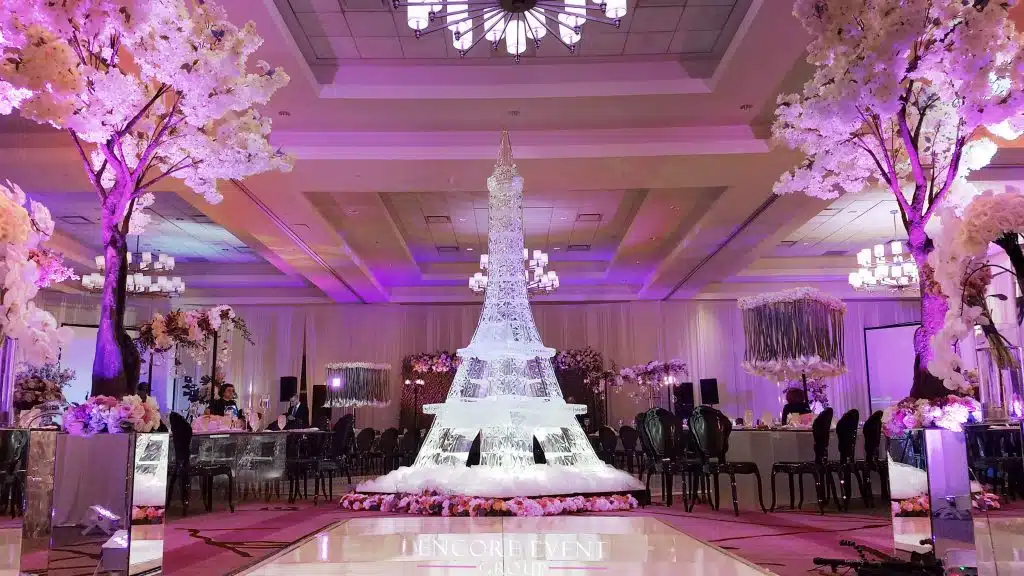
“Lighting is what actually makes the flowers and decor visible.”
For a professional crew to deliver, set up, and strike 20 to 30 uplights in Louisville, you can expect to pay between $1,500 and $3,000. This cost includes labor, insurance, and the “convenience fee” of having someone else handle the technical logistics for you.
Expect to pay $300–$600 just for the technician’s time on-site for both the setup and the late-night breakdown. Professionals also often charge $75–$100 per light fixture for “pro-grade” gear that they have likely owned for years.
If your venue is outside the Gene Snyder Freeway or in a neighboring county, additional mileage fees will almost always apply. Many local production companies also have a $2,000 minimum spend for Saturday weddings during the peak seasons.
Many wedding DJs in Louisville and Southern Indiana event venues offer “uplighting rental packages” as an add-on to their primary music or rental services. While this seems convenient, it is often where the highest markup occurs for the lowest quality equipment.
DJs typically charge $500 to $900 for a set of 8 to 12 lights that they set up while they are sound-checking. Often, these are older, wired units that limit where you can place them due to a lack of power outlets in historic buildings.
Why Bundles Often Fall Short:
- Outdated Tech: Many bundles use “RGB” lights that struggle to produce a clean white or a soft, romantic amber glow.
- Placement Limits: Wired lights mean cables running across the floor, which can be a significant tripping hazard for dancing guests.
- Lack of Control: You are often stuck with whatever “static” color the DJ sets at the beginning of the evening.
- Low Intensity: Inexpensive bundle lights often lack the “throw” distance to reach the high ceilings of a grand ballroom.
These packages are designed for ease of the vendor, not necessarily the aesthetic vision of the bride. You are essentially paying a premium price for the least versatile lighting technology on the market.
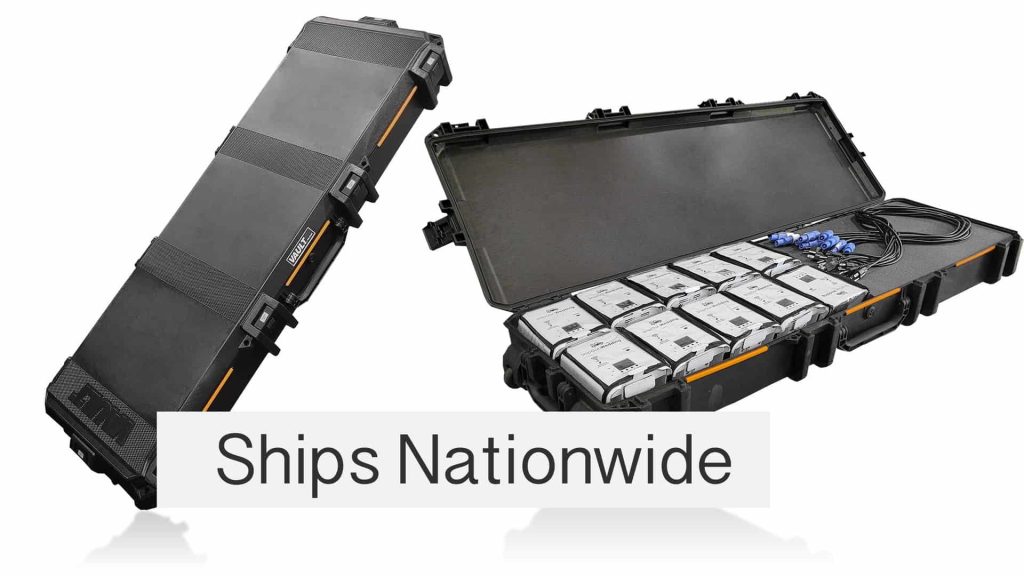
The most significant “information gain” for Louisville couples is the rise of the ship-to-you DIY rental model. Companies now allow you to rent the exact same professional-grade, battery-powered lights for a fraction of the full-service price.
Instead of paying $2,500 for a pro crew, you can rent a kit of 20 wireless uplights for approximately $400 to $500. This equates to roughly $20 to $25 per light, which is the same price you would pay for a standard floral arrangement.
The Benefits of Modern DIY:
- Wireless Freedom: Modern DIY kits are battery-powered, meaning you can put them anywhere without needing a power outlet.
- Free Shipping: Most reputable DIY rental companies include two-way shipping in their base price to keep costs predictable.
- Simple Setup: If you can turn on a flashlight and press a button, you can set up a modern LED uplight.
- Color Matching: Modern “RGBWAP” lights allow you to mix colors to match your specific Louisville bridesmaid dresses or floral palette.
By cutting out the labor costs and the middleman, you can effectively reallocate thousands of dollars back into your catering or honeymoon budget. It is a strategic move that provides a luxury look without the luxury price tag.
Every venue in the 502 area code interacts with light differently based on its construction materials and wall colors. A historic brick wall in a Distillery event space will “absorb” light, while the white walls of a modern ballroom will “reflect” it.
If you are at a venue like the Frazier History Museum, you need more powerful lights to overcome the dark wood and stone. Conversely, a clean white space like The Glassworks requires fewer lights to achieve a saturated and vibrant look.
Local Venue Surface Profiles:
- Brick Walls: These require higher brightness and benefit from warmer tones like amber or gold to highlight the texture.
- White Drywall: This material perfectly reflects any color, allowing you to use fewer fixtures to fill the entire room.
- Wood Paneling: Wood is a “light vampire” that absorbs energy; use “Cool White” to make the grain pop without looking muddy.
- Large Windows: If your venue has floor-to-ceiling glass, your lighting won’t be fully effective until the sun finally goes down.
Always walk through your venue during the evening hours to see how much ambient light is bleeding into the space. This will help you decide if you need to double up on light intensity for those darker corners.
A common mistake is renting too few lights, which leaves the room looking patchy and unfinished. The “Golden Rule” of uplighting is to place one light every 10 to 15 feet of wall space to ensure even coverage.
For a standard Louisville wedding with 150 guests, a 20-pack of lights is usually the perfect “starter” kit. If you want to light up the entire perimeter of a large ballroom, you should look closer to a 30-pack.
Kit Size Quick Reference:
- The “Vibe” Kit (10 lights): Best for highlighting specific features like the cake table and the head table.
- The “Standard” Kit (20 lights): This covers the main walls of most medium-sized banquet halls found in the city.
- The “Immersive” Kit (30 lights): Provides a full-room wash that changes the entire atmosphere of the space.
Don’t forget to count extra lights for the entryway, the bar area, or even the outdoor patio for guest comfort. Having a few spare units allows you to adjust on the fly if a particular wall absorbs more light than expected.
In the past, wedding lighting required hundreds of feet of power cables that looked like a messy spiderweb on the floor. This is especially problematic in historic Louisville venues where power outlets are few and far between.
By choosing wireless, battery-powered lights, you eliminate the “cord clutter” and save yourself hours of setup time. These units typically run for 10–20 hours on a single charge, which is more than enough for a full wedding day.
“Wireless technology has leveled the playing field, allowing DIY brides to achieve professional results in under 20 minutes.”
No cords means no guests tripping over cables after they’ve had a few of our famous local signature cocktails. Furthermore, battery power allows you to light up trees or the exterior of your venue without needing a generator.
When shopping for rentals or DIY kits, you will see the technical acronym RGBWAP listed in the product specifications. This stands for Red, Green, Blue, White, Amber, and Purple/UV, and it is the current gold standard for wedding lighting.
Cheaper lights only have Red, Green, and Blue, which makes it impossible to create a “Natural White” or a “Champagne Gold.” By having dedicated White and Amber diodes, the light can produce soft, romantic tones that look better on human skin.
The Breakdown of Diodes:
- Red + Green + Blue: These create a “digital white” that often looks blue or purple in professional wedding photos.
- Dedicated Amber: This is the key to creating that “candlelit glow” that most Louisville couples desire.
- Dedicated White: This diode allows you to create pastels and “muted” colors that look more sophisticated than neon tones.
- UV/Purple: Essential for “neon” themed after-parties or making white linens “pop” during the dance portion of the night.
Ensure your rental company uses RGBWAP chips if you want your skin tones to look natural in your final wedding album. The “Amber” diode is particularly important for the warm, southern hospitality aesthetic common in Kentucky.
Louisville weddings often lean into classic aesthetics, with many couples choosing “Derby-inspired” palettes. Understanding how these colors translate into light is vital for achieving a high-end look without a professional designer.
Red, for example, can be a tricky color to light because it can look “aggressive” if it is too saturated. Instead, many designers recommend using a “Deep Amber” to complement red floral arrangements, as it provides warmth without an overwhelming vibe.
Popular Local Color Choices:
- Kentucky Blue: If you are a UK fan, a “Deep Blue” uplight looks stunning against white linens but can make food look unappetizing.
- Champagne Gold: This is the most popular color in Louisville because it mimics the warm glow of candlelight.
- Emerald Green: A sophisticated choice for winter weddings at venues like the Speed Art Museum, providing a lush, organic feel.
- Soft Pink: Great for boosting skin tones and making everyone in the room look 10 years younger in their selfies.
Always test your colors once the room is fully set up with linens and centerpieces. Light reflects differently off silk versus polyester, and you may need to tweak the saturation to get it exactly right.
Your wedding ceremony and your reception have two completely different emotional profiles that should be reflected in your lighting. Your lighting should shift from a soft, atmospheric glow during the vows to a vibrant, high-energy wash for the party.
During the ceremony, you want “Atmospheric” lighting that highlights the architecture without becoming a visual distraction. Once the music starts, you want “High Energy” lighting that can sync with the beat to get people moving.
The Emotional Transition:
- Ceremony Tones: Stick to Ivory, Soft Amber, or “Champagne” to keep the visual focus on the couple.
- Photo Integrity: Avoid using strong blues or greens during the ceremony, as it can make skin tones look sickly in photos.
- Reception Tones: This is where you bring in your “Theme Colors” like Navy, Burgundy, or Emerald Green.
- The Switch: If you DIY, have a groomsman hit the “Sound Active” button on the remote once the DJ starts the party.
This transition helps cue your guests that the formal portion of the evening is over and it’s time to celebrate. It is a psychological trick used by high-end event planners to control the “energy” of the room.
One of the best-kept secrets in professional lighting is the concept of “layering” two different colors on the same wall. Most people just pick one color and set every light to that exact shade, which can look “flat” on camera.
Instead, try using a technique where you set every other light to a slightly different, complementary shade. For example, alternating “Deep Purple” with “Soft Lavender” creates shadows and highlights that look much more expensive.
How to Layer Colors:
- Avoid Monochrome Flatness: Using two complementary shades adds 3D depth to the walls of the venue.
- The Neutral Base: If your venue walls are already a strong color, use a “White” light first to see how it reacts.
- Contrast is Key: If your floral centerpieces are red, use a soft gold uplight to make the red petals “pop.”
- Wall Texture: Lighting “skimmed” up a stone or brick wall creates dramatic shadows that look like architectural art.
By layering your colors, you give your wedding photos a sense of depth and richness that a single-color wash simply can’t achieve. This is the difference between a “party” look and a “designer” event.
The biggest concern most couples have with DIY is the logistical fear of the equipment not showing up on time. Professional DIY companies solve this by shipping your lights to arrive at least 2 days before your wedding.
This gives you time to unpack them, check the battery levels, and “play” with the colors in your home first. After the wedding, you simply put them back in the same box and drop them at any UPS drop-off location.
What to Look for in a Rental Partner:
- No Charging Necessary: Most kits arrive fully charged and ready to be turned on right out of the shipping box.
- Prepaid Labels: You should never have to pay for return shipping if the rental company is a reputable one.
- The “2-Day” Rule: Ensure your rental agreement specifically guarantees arrival at least 48 hours before the event starts.
- Support Lines: Choose a company that offers a 24/7 technical support line for any “day-of” setup emergencies.
Having the equipment arrive early removes the stress of last-minute arrivals. It also allows your wedding coordinator to see the lights in action during the rehearsal walkthrough.
| Feature | DIY Rental Kit | Full Production House | DJ/Venue Bundle |
|---|---|---|---|
| Estimated Cost (20-30 Lights) | $400 – $600 | $1,500 – $3,000 | $700 – $1,200 |
| Technology Used | RGBWAP (Wireless) | RGBWAP (Professional) | Basic RGB (Wired) |
| Setup Time | 15-20 Minutes | 2-3 Hours | 1 Hour |
| Safety (Cables) | Cordless | Managed Cables | Visible Cables |
| Overall Value | High Value / Low Stress | Luxury / High Labor | Convenient / Low Tech |
As the table demonstrates, DIY rentals occupy the perfect operational sweet spot. You receive the reliable infrastructure of a professional kit alongside wonderful, budget-friendly transparency.
The wedding industry in Kentuckiana operates on a very fast-paced timeline, and lighting kits are no exception. Prime fall dates and beautiful spring weekends often book out well over a year in advance.
If you are dreaming of a weekend date during these peak seasons, reaching out to secure your rental kit early is highly recommended. The demand for gorgeous, wireless lighting with transparent pricing is always incredibly high in the 502.
You deserve a wedding that supports your vision and makes the planning process genuinely enjoyable from start to finish. Lighting is more than just an “add-on”; it is the foundation of your event’s visual story.
Your dream Louisville wedding is entirely within reach, and we would be honored to help you illuminate it. Reach out today to check availability for your date and get started on your custom lighting plan.
Ready to start planning? Browse our lighting kits and see for yourself why wireless technology is the future of the modern wedding. Take control of your atmosphere and watch your vision come to life in the perfect glow.